
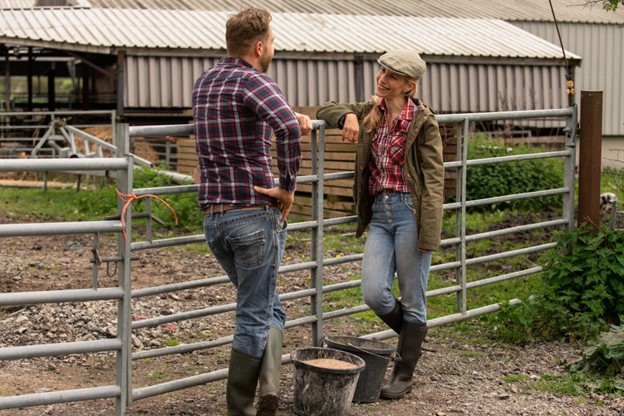
Image: Freepik
Guest blog post by Carleen Moore
Starting a Small Farm
There’s something raw and grounding about the idea of starting your own farm. No cubicles. No constant pings. Just space, dirt, tools, and time. But make no mistake — farming isn’t simple. It’s not just about fresh air and a couple of chickens. It’s strategy. Systems. Daily decisions that stack up. If you want it to work — really work — you need more than a dream. You need steps that add up. Things that hold when the weather turns or the truck breaks down. What follows isn’t magic. It’s the practical starting point for turning a piece of land into a working, earning farm.
Establishing a Farm Business Plan
Before anything touches soil, put your plan on paper. Not a napkin sketch — a real plan. What will you grow or raise? Where will the money come from, and where will it go? People often skip this part, thinking they’ll just “figure it out.” But farms don’t run on guesswork. Think about seasons, supply costs, labor (even if it’s just you), and how long before anything sells. It’s slow at first. That’s normal. The plan helps you survive slow. And it gives you a map when decisions start piling up.
Completing Legal and Regulatory Setup
There’s no way around it: farms are businesses. So, act like it from the jump. Register the business. Choose a structure — maybe an LLC, maybe something else. Look up what your county or state requires. Zoning laws, tax IDs, local ordinances — they all matter. If you wait too long, one small oversight can stop you cold. Do it early. The earlier you clear the admin hurdles, the sooner you can focus on real work. You’re not dodging rules; you’re building a clean runway.
Strengthening Business Skills Through Education
You can be great at growing things and still struggle to run a business. That’s normal — but fixable. One of the best ways to build that side of your brain is by pursuing a business degree online. You’ll pick up practical skills in management, communication, accounting — the stuff that keeps you from flying blind. The online format works for people already juggling jobs or land. It’s flexible, steady, and doesn’t require quitting everything else. Think of it as backing up your instincts with structure.
Identifying Startup Capital and Funding Options
Getting funds to start? That’s where most folks hesitate. It feels risky. It is risky. But not having a plan for startup money is even riskier. Think small, but think ahead. What do you need to start — not to “finish,” just to start? Can you borrow a tool instead of buying it? Can you share space? Maybe there’s a grant out there, or someone who believes in what you’re building. Try not to load up on debt right away. Stay lean. Focus on buying time and learning, not just stuff.
Preparing Soil and Managing Crop Health
Ignore the soil, and you’ll pay for it later. Not just in money, but in failure. Your soil’s not a blank slate — it has a history, a personality, a mood. Test it. Study it. See what it’s missing, and how it holds water. If it’s tired, you’ll need to wake it up with compost or cover crops. Skip chemicals you don’t understand. Work with it, not against it. Healthy soil grows healthy business. It’s not just farming advice — it’s logic.
Defining Target Markets and Sales Channels
It’s easy to focus on what you’ll grow. But spend just as much time on who it’s for. Are you trying to serve your neighbors? Restaurants? Weekly farmers markets? Each of those asks for something different — packaging, delivery, pricing. Selling is part of farming. The earlier you think about your customers, the better your decisions will be when you’re deep into planting or harvesting. No use growing what no one wants. Start where the people already are.
Monitoring Profitability and Cost Efficiency
Profit doesn’t happen because you work hard. It shows up when you pay attention to numbers — even the boring ones. Track what you spend. Track what you earn. Look at what takes up your time. You’ll be surprised what costs more than it’s worth. Do fewer things well. Learn what sells fast, what lasts, and what you can stop doing. Farming is physical, sure. But it’s also math, timing, and restraint. Profit doesn’t come from being busy — it comes from being sharp.
There’s a quiet intensity to building something real from the ground up. The dirt, the sweat, the waiting — all of it teaches you things you won’t learn anywhere else. But don’t confuse movement with momentum. Plan. Ask questions. Learn from mistakes that aren’t yours. Farming isn’t easy, and it shouldn’t be. But it should feel worth it. Do the things today that give you more choices tomorrow. That’s how small farms become strong farms — and how strong farms last.
Discover tailored insurance solutions that fit your unique needs and budget with TCG Insurance Solutions. Visit us today and ensure peace of mind for you and your family!

Author: Paul Carrigan
Licensed agent in Kansas, Missouri and Ohio.